

Egypt travel is about much more than seeing the pyramids. Ancient temples, busy cities and deserts shape Egypt. The Nile adds even more history and beauty.
For many visitors, Egypt travel combines ancient history with culture, adventure and some of North Africa’s most distinctive landscapes.
Cairo brings together iconic landmarks and everyday city life, while Luxor and Aswan reveal some of Egypt’s most impressive ancient sites. Farther away, the desert offers a completely different atmosphere, with open landscapes and quiet places far from the crowds.
A trip through Egypt can combine history, culture, photography and adventure in the same journey. You can explore temples in the morning, sail along the Nile later in the day and watch the desert change colour at sunset.
This article brings together some of the best places to see, experiences worth having and practical ideas for exploring Egypt.
See the Pyramids of Giza Up Close
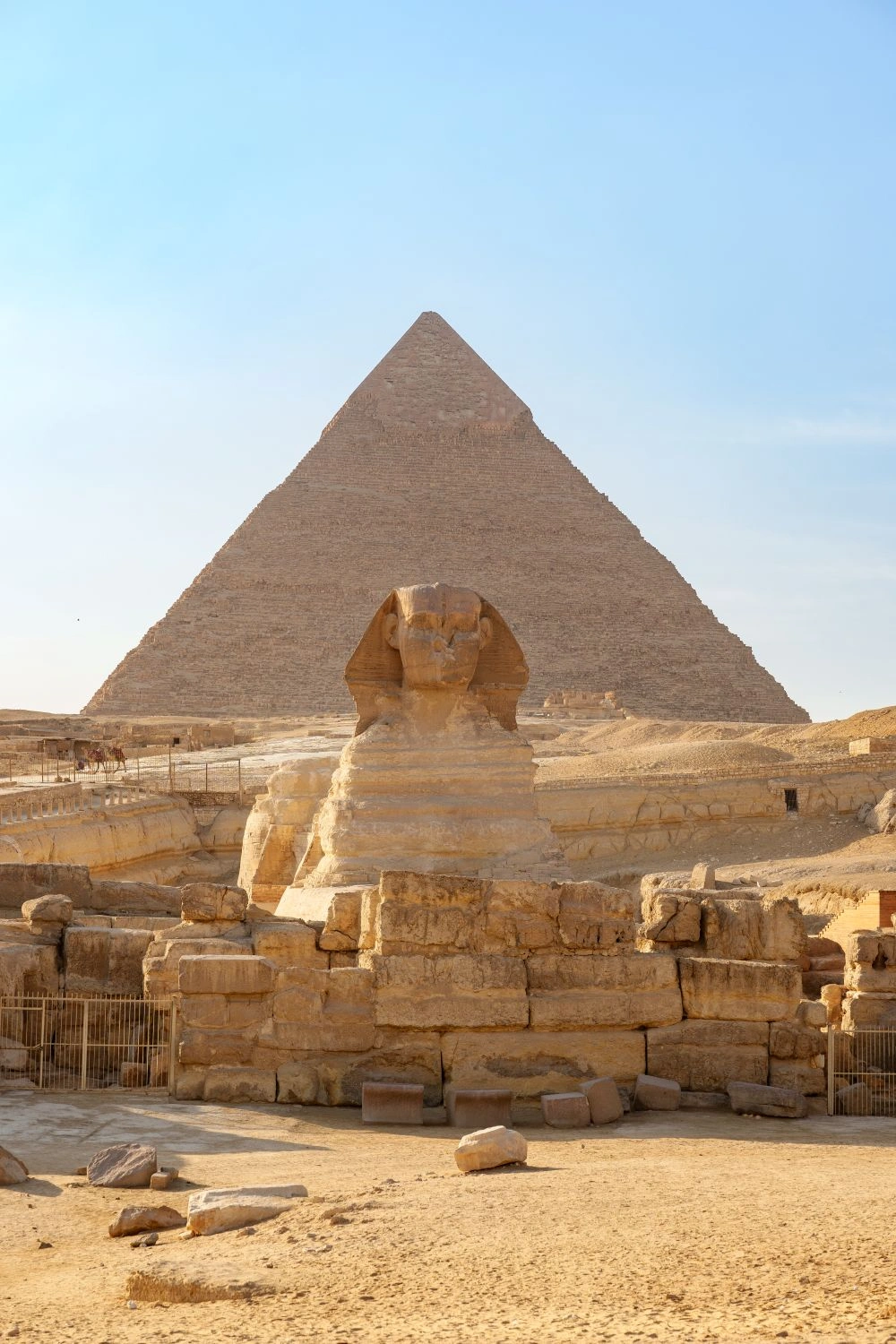
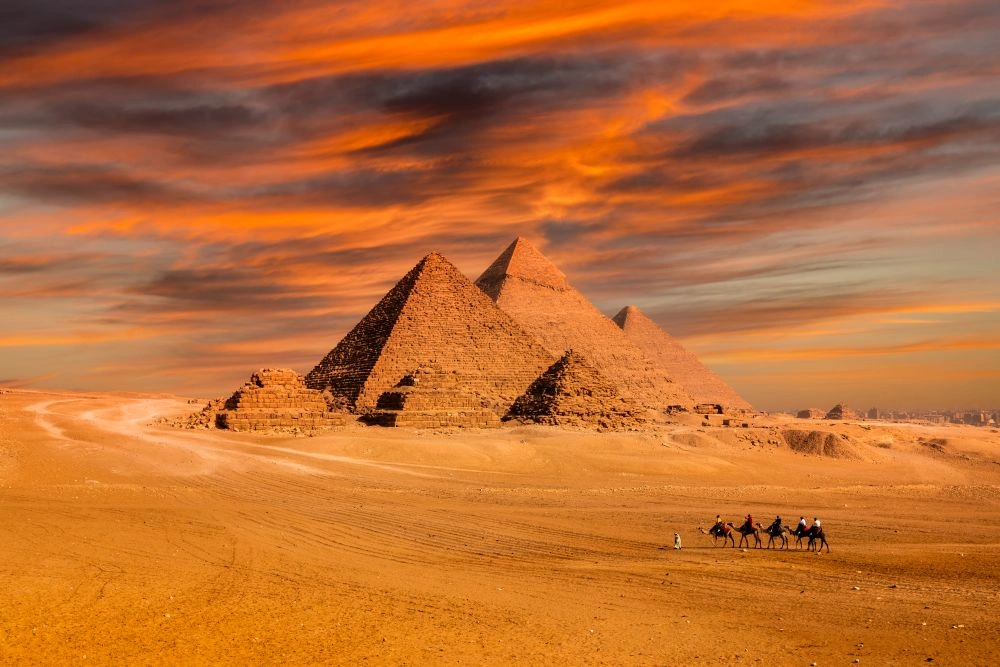
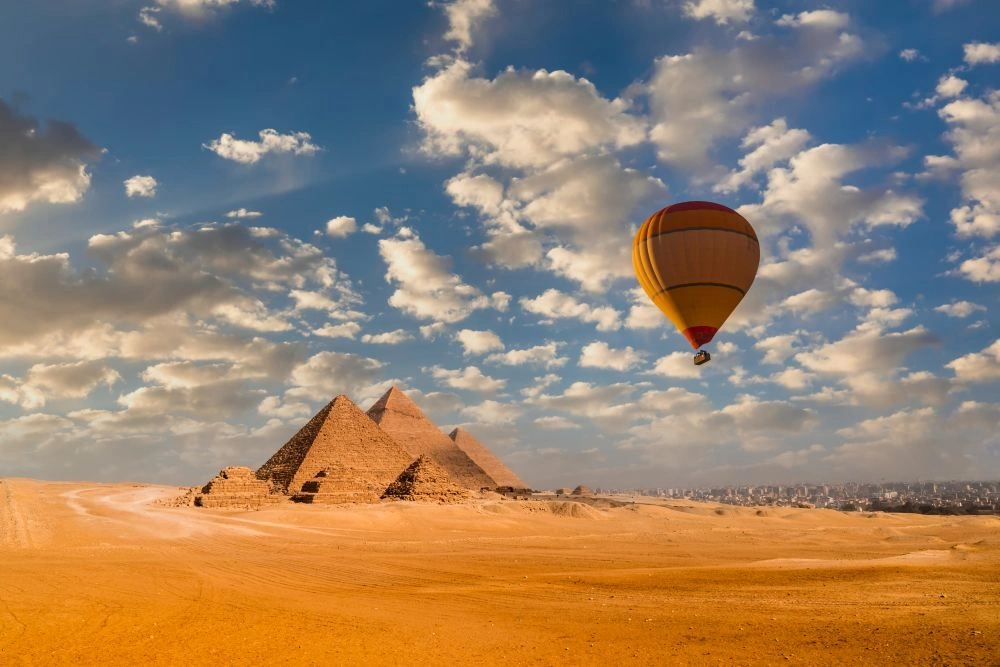
The Pyramids of Giza are one of the most iconic sights in Egypt and an essential stop for a first visit. Seeing them in person feels very different from seeing them in photos, especially when you realise how large the site really is.
The complex includes the Great Pyramid of Khufu, the Pyramid of Khafre, the Pyramid of Menkaure and the Great Sphinx. Give yourself enough time to move between the main viewpoints instead of rushing through the area.
Early morning is usually the best time for cooler temperatures and softer light. It is also a good time for photography before the site becomes busier.
If you want to enter one of the pyramids, check ticket availability in advance. The inside of the pyramids is narrow and simple. The outside is far more impressive, so the main experience is still the landscape and history surrounding them.
Explore the Temples and Tombs of Luxor
Luxor feels like an open-air museum, with some of Egypt’s most important ancient sites spread across both sides of the Nile.
On the East Bank, Karnak Temple and Luxor Temple showcase huge columns, carved walls and ceremonial spaces that once formed the heart of ancient Thebes. Karnak is huge and impressive. The Hypostyle Hall alone can make you feel tiny beneath its enormous stone columns.
Across the river, the West Bank reveals a very different side of Luxor. Here you will find the Valley of the Kings, where pharaohs were buried in richly decorated tombs cut into the desert hills. Some tombs need separate tickets. Decide which ones you want to see before you arrive.
The nearby Temple of Hatshepsut is another highlight. Built directly against the cliffs, its setting is almost as impressive as the temple itself.
Luxor is worth giving at least one full day, and ideally more. The sites are spread out, the heat can be intense, and rushing between them takes away from the experience.
Watch Luxor From a Hot Air Balloon
A hot air balloon ride over Luxor is one of the most memorable ways to see the landscape around the Nile.
Most flights start around sunrise. The light is softer and the air is cooler. From above, you can see green farmland beside the river, desert stretching into the distance and ancient sites scattered across the West Bank.
The contrast is what makes the experience so special. One side of the landscape is fertile and green, while the other quickly turns into dry desert.
Most rides last around 40–60 minutes, depending on weather conditions and the operator. Hotel pickup is often arranged very early in the morning, so expect to start the day before sunrise.
Because flights depend heavily on wind and weather, cancellations can happen. It is better to book the experience early in your stay rather than leaving it for your final morning.
For photography, bring a phone or camera with a secure strap and avoid carrying unnecessary gear.
Sail the Nile on a Traditional Felucca
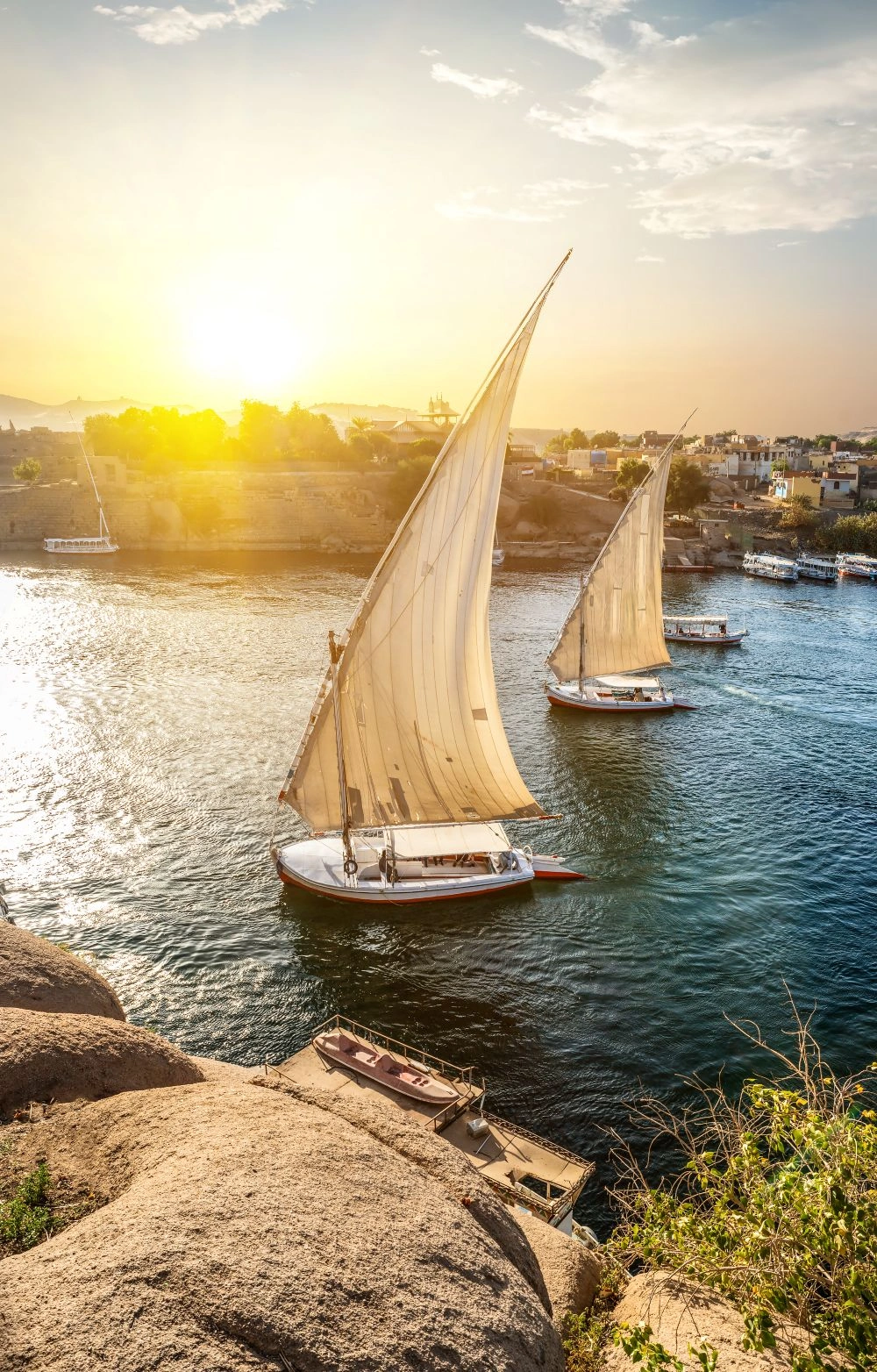
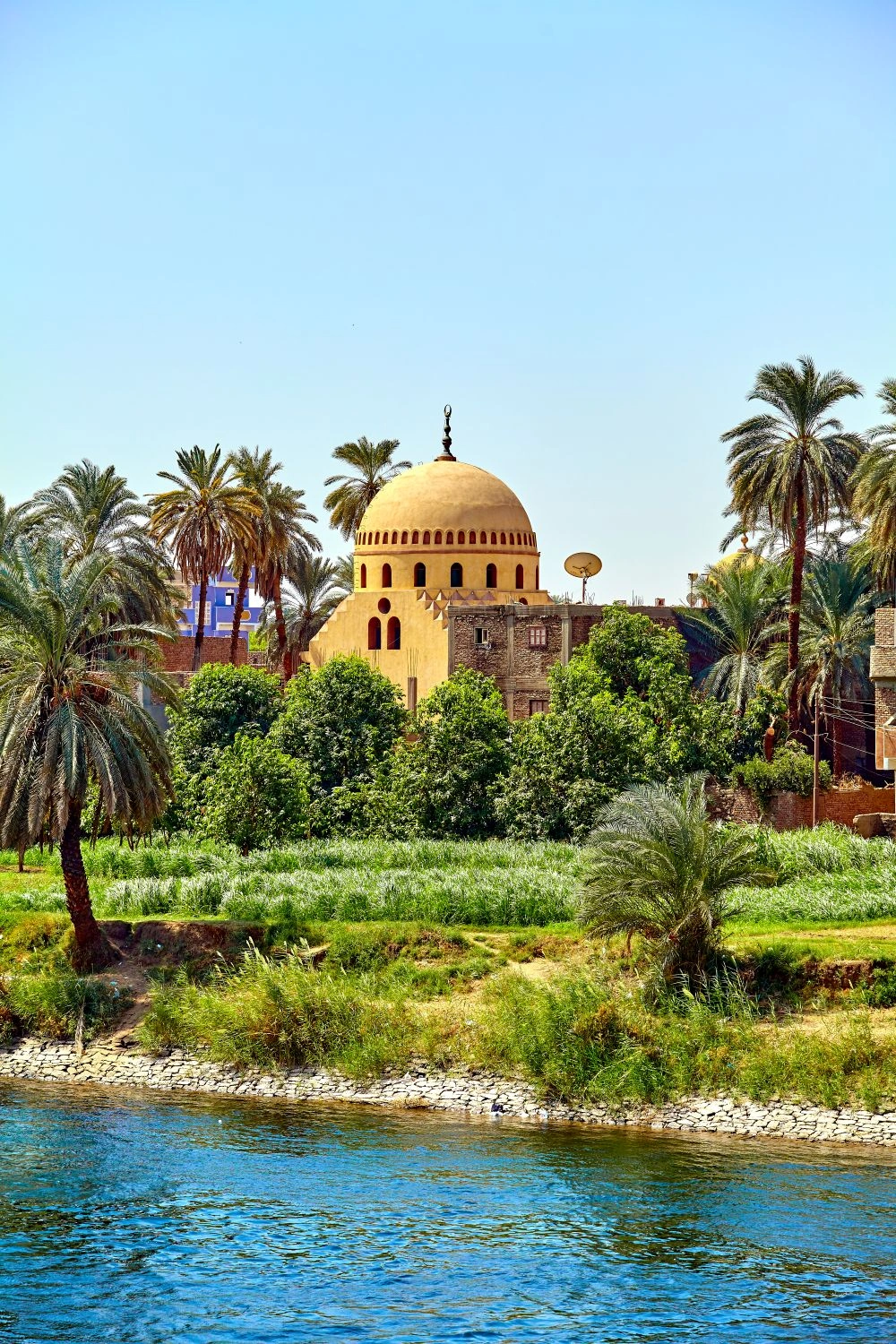
These traditional wooden sailing boats have been used on the river for generations, and today they remain one of the most relaxing ways to see Egypt from the water. Instead of rushing between attractions, a felucca lets you simply sit back and watch the riverbanks pass by.
Aswan is one of the best places to try it. The river here is especially scenic, with islands, palm trees and desert landscapes creating a beautiful contrast around the water.
Late afternoon is a great time to go. The temperature becomes more comfortable, the light softens and sunset can completely change the colours of the river.
Short rides are easy to arrange locally, while longer trips can include stops at small islands or nearby villages.
This experience is less about sightseeing and more about slowing down. After busy days around Cairo or Luxor, spending an hour on the Nile can feel like a completely different side of Egypt.
Explore Cairo Beyond the Pyramids
Cairo has much more to offer than Giza.
The city is intense, busy and full of contrasts. Historic mosques, local markets, modern neighbourhoods and crowded streets all exist side by side.
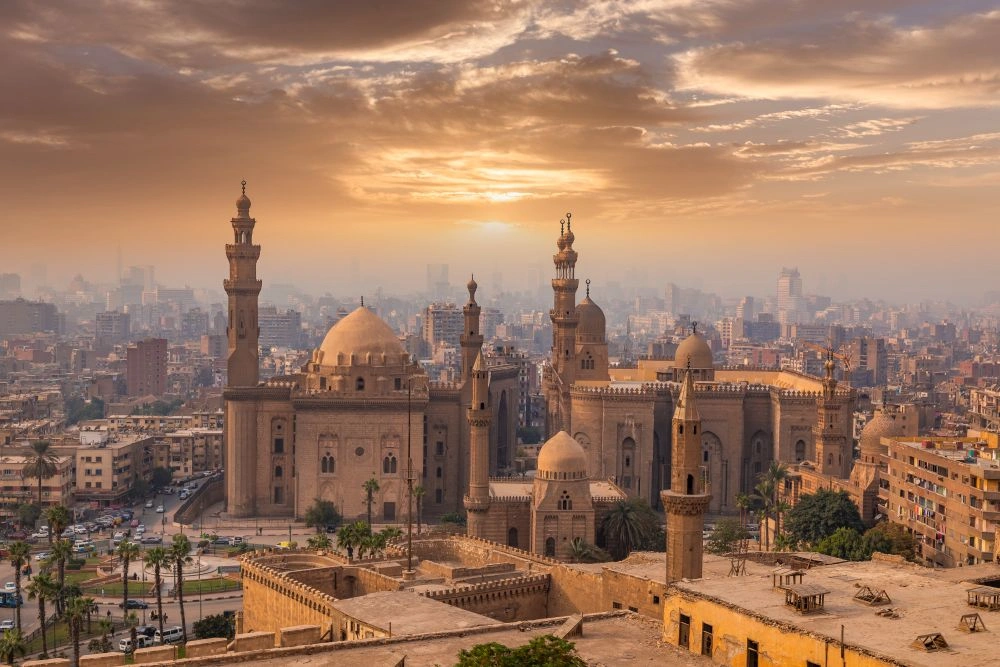
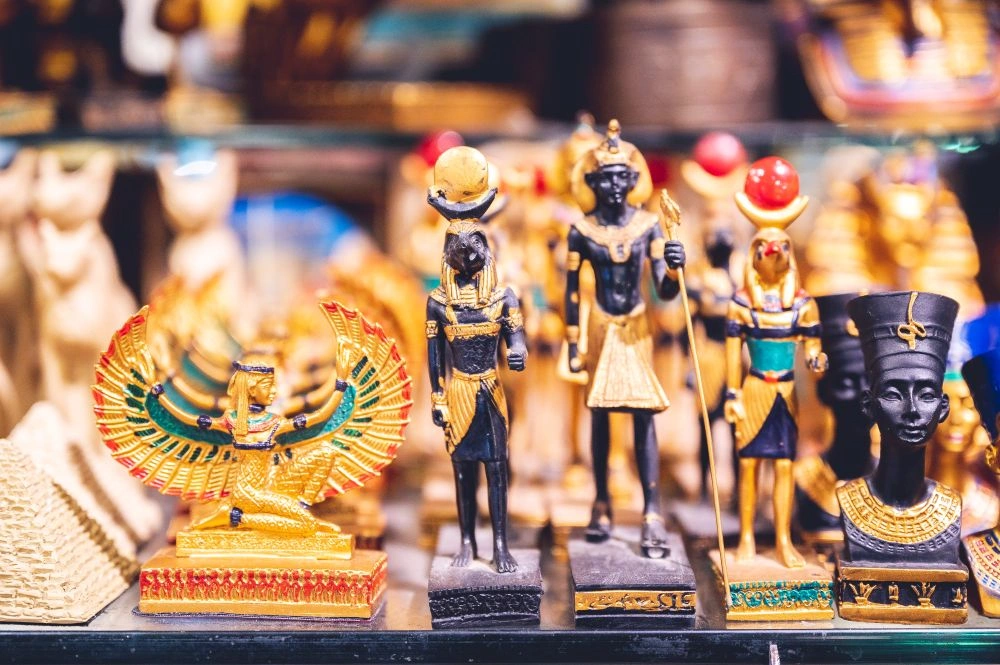
One of the most atmospheric areas is Islamic Cairo, where narrow streets lead between mosques, old buildings and traditional shops. Khan el-Khalili is also worth visiting for souvenirs, spices, jewellery and the energy of the market itself.
For a different perspective, head towards Coptic Cairo, where some of the city’s oldest Christian sites are located.
Cairo is often one of the busiest parts of an Egypt travel itinerary, but it is also one of the most rewarding.
The best part is often simply observing everyday life between the major landmarks.
Dive or Snorkel in the Red Sea
The Red Sea shows a completely different side of Egypt. Clear water, colourful coral reefs and warm temperatures make it one of the country’s best areas for underwater experiences.
Sharm el-Sheikh, Hurghada and Marsa Alam are popular coastal bases. All three offer excellent snorkelling and diving opportunities. Beginners can join easy reef trips. Experienced divers can explore deeper sites, walls and wrecks.
If you prefer something relaxed, a half-day snorkelling boat trip is usually enough to see plenty of marine life without committing to a full diving day.
For a bigger adventure, consider an introductory dive with a licensed operator. More experienced divers can choose multi-dive day trips or liveaboard routes. Adding the Red Sea to your Egypt travel plans also gives you time to relax after several days of sightseeing.
The Red Sea is a good place to slow the pace after Cairo and Luxor. A few days here can add beaches, water activities and a completely different landscape to the trip.
Go on a Desert Safari and Try Sandboarding
Egypt’s deserts offer a completely different kind of adventure from the Nile Valley and the Red Sea.
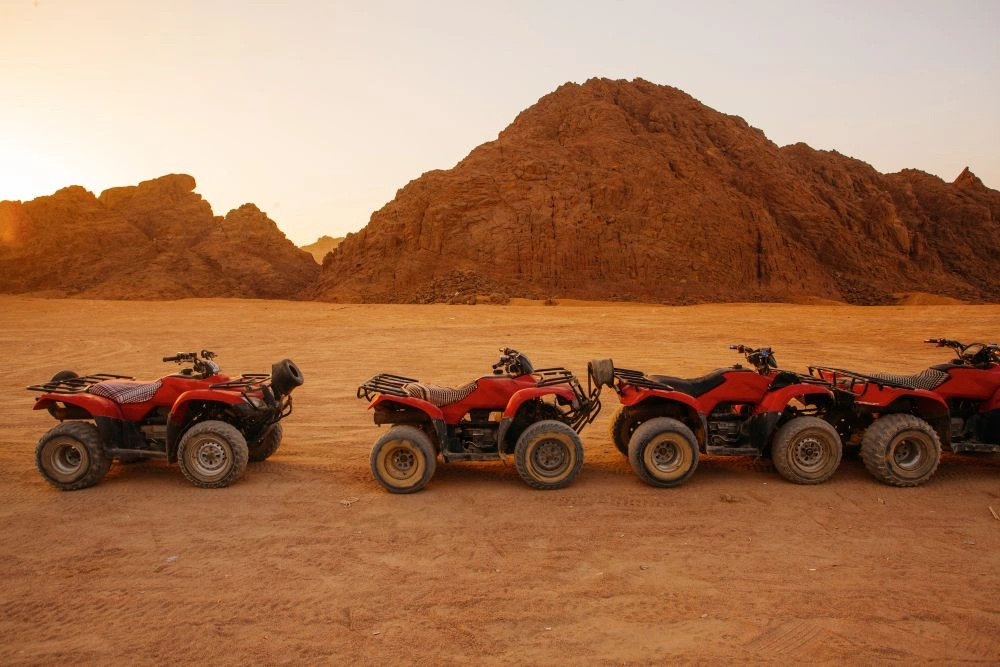
A desert safari can include 4×4 driving, dunes and desert camps. Many tours also stop for sunset. Some tours also include sandboarding, which is one of the easiest adventure activities to try even if you have never done it before.
The White Desert is especially famous for its surreal chalk formations, while areas closer to Hurghada and Sharm el-Sheikh offer shorter desert excursions that are easier to fit into a beach stay.
If you want a more adventurous experience, choose a tour that includes time away from the main roads rather than only a quick stop at a tourist camp.
Bring closed shoes, sunglasses and something to cover your face if the wind picks up. Temperatures can also drop quickly after sunset.
Experience Egypt After Dark: Markets, Food & Local Life
Egypt becomes especially atmospheric after sunset, when the temperatures cool down and streets, cafés and markets become busier.
In Cairo, areas around Khan el-Khalili are great for an evening walk. The narrow streets fill with lights, small shops and people gathering for tea or food. Even if you are not planning to buy anything, walking through the market after dark is an experience on its own.
This is also a good time to try local food. Look for dishes such as koshari, ful medames, ta’ameya and grilled meats, followed by Egyptian tea or something sweet from a local bakery.
In Luxor or Aswan, evenings can feel much calmer. Walking beside the Nile, sitting at a local café or exploring quieter streets gives you a break from the intensity of daytime sightseeing.
The goal here is not to rush between attractions. Spend some time simply experiencing the atmosphere, trying local flavours and seeing how daily life changes once the sun goes down.
Why Egypt Travel Is About More Than Ancient History
Egypt may be famous for pyramids, temples and pharaohs, but the experience goes far beyond the ancient world.
A single trip can take you from the crowded streets of Cairo to the quiet banks of the Nile, from desert landscapes to coral reefs in the Red Sea. This variety is one of the reasons Egypt travel can feel so different from one day to the next.
You can spend one day walking through thousands of years of history and the next riding across the desert, sailing at sunset or exploring life beneath the sea.
The culture, food, landscapes and everyday moments between the major attractions are often just as memorable as the landmarks themselves.
Egypt feels different in every region. Some places are busy, while others feel calm and wild. Give yourself enough time to experience more than the famous sights, and you will discover a country with far more to offer than its ancient monuments alone.